
Dialectical Thinking ☯️
- Dialectical Thinking
-
Reflective Insight
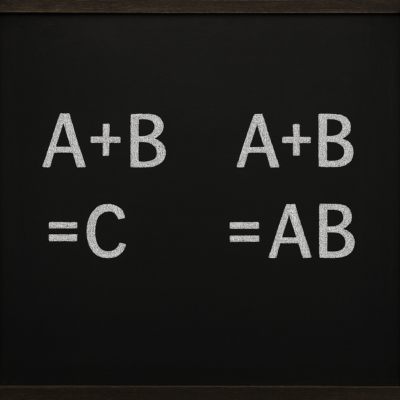
Two ways of thinking.
✔️ Western logic seeks one correct answer — A + B = C.
☯️ Eastern tradition embraces paradox — A + B = AB.Dialectical Thinking (A Copilot AI summary from R. Gallaty, The Forgotten Jesus: Why Western Christians Should Follow An Eastern Rabbi (pp. 27–28). Zondervan.
Application: Helps modern readers understand why biblical faith often resists reductionism. For example, “Did God choose you or did you choose God?” — the Jewish answer is simply, “Yes.”
Definition: A way of reasoning common in Middle Eastern and biblical culture that holds opposite or even contradictory ideas together without forcing a single conclusion.
Contrast with Western Thought: Western logic tends to reduce tension into one “best answer” (A + B = C). Eastern thought often accepts both truths in tension (A + B = AB).
Biblical Examples: Many of Jesus’ sayings, and doctrines such as divine sovereignty vs. free will, the kingdom of God as both present and future, and election vs. human responsibility.
Scholar Insight: James Fleming describes this as “yes, yes, or AB,” where paradox is not a problem but a deeper truth.
See Also: One Best Answer ✔️ — the opposite approach to ☯️ Dialectical Thinking.Opposite Entry: See One Best Answer.
Discover more from God versus religion
Subscribe to get the latest posts sent to your email.