
Hope -> Desperation -> Hope – 2015
Genesis to Feast: Scripture & CultureA preserved 2015 reflection tracing hope, desperation, false promises, and the deeper hope found in Jesus—now part of the Genesis‑to‑Feast series.
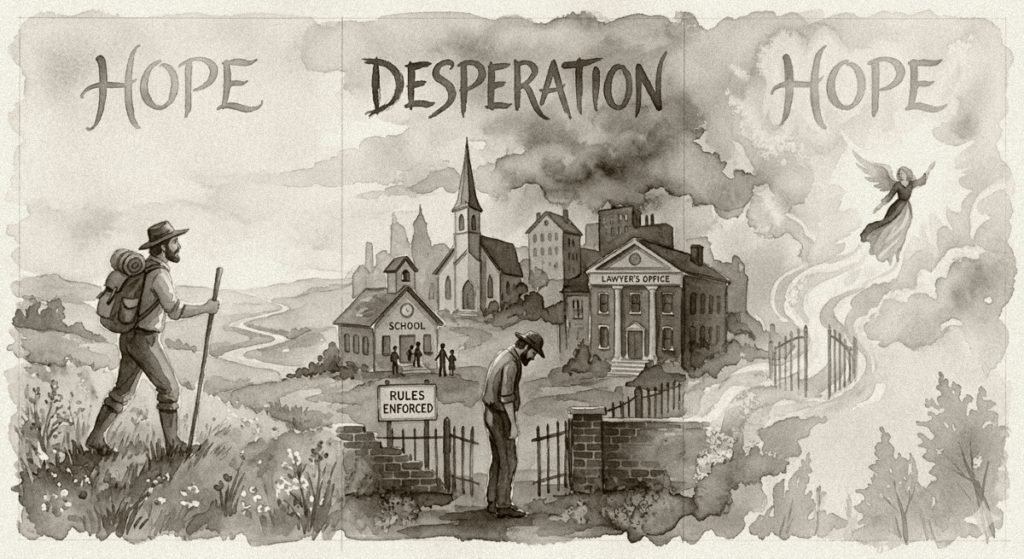
A preserved 2015 reflection tracing hope, desperation, false promises, and the deeper hope found in Jesus—now part of the Genesis‑to‑Feast series.
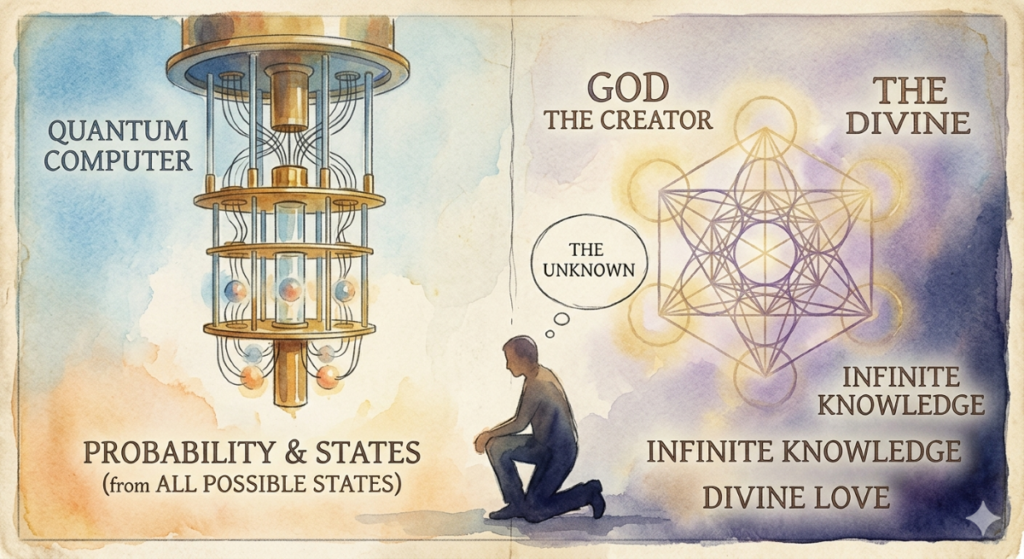
A 2011 reflection on quantum computing, human creativity, and what these emerging technologies reveal about God’s knowledge, our free will, and the limits of our own creations.
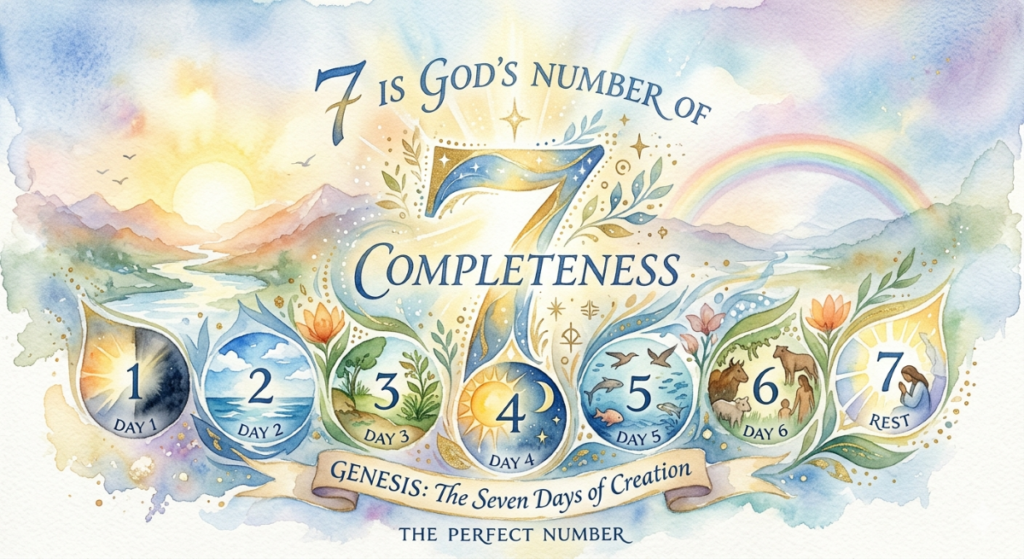
Worship songs often sing from the far side of the struggle — the moment when everything makes sense again. But most of us sing from the middle, where God feels late, the water feels deep, and faith feels shaken. This reflection explores that gap with honesty and hope.
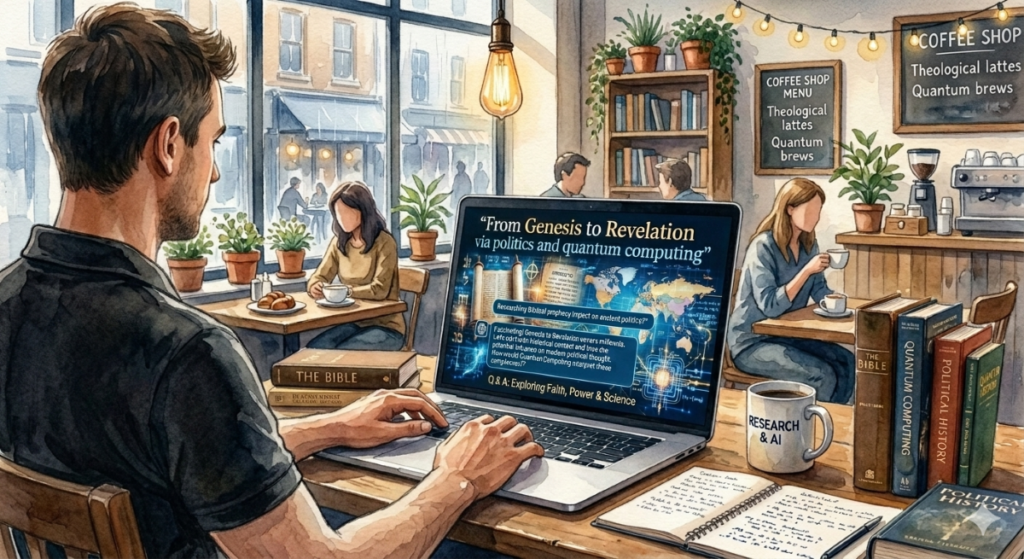
A wide-ranging AI conversation that moves from Genesis to Revelation, from geopolitics to quantum computing, and from Joseph’s story to the world we’re living in now. Not a map of the future—just an honest look at how these threads might connect.
Psalm 3 pulls us back to the truth that God’s help isn’t always immediate, but it is always real. David’s words point us toward the deeper hope God offers – both now and forever.
Jesus spoke of a narrow path, yet Christians often comfort others with “a better place.” This reflection examines that tension and encourages believers to speak truth in love while there’s still time to be heard.
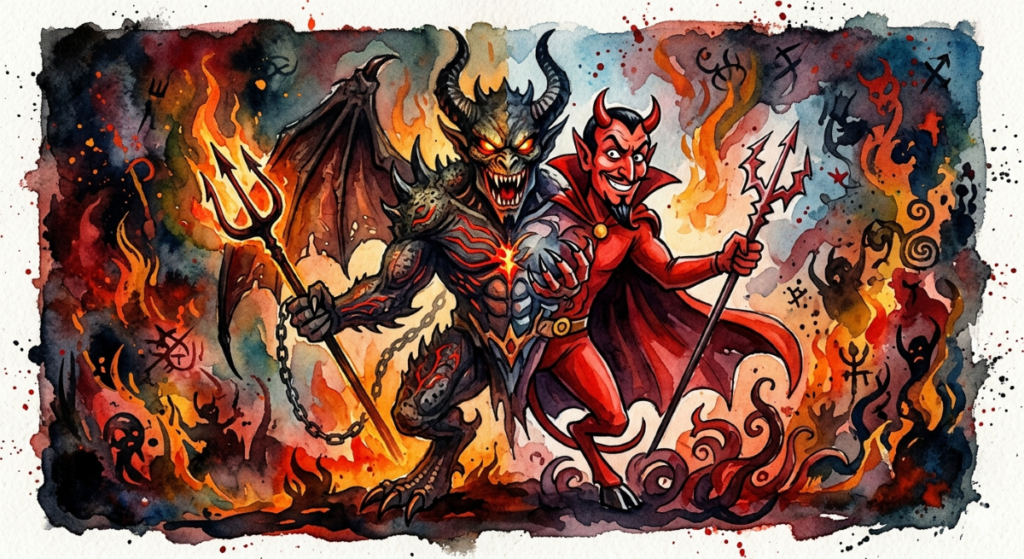
If you’ve ever wondered whether the Bible actually teaches that the devil and spiritual evil are real, this article traces the story from Genesis to Jesus to Revelation — and shows why a sober, balanced view of evil matters for everyday faith.
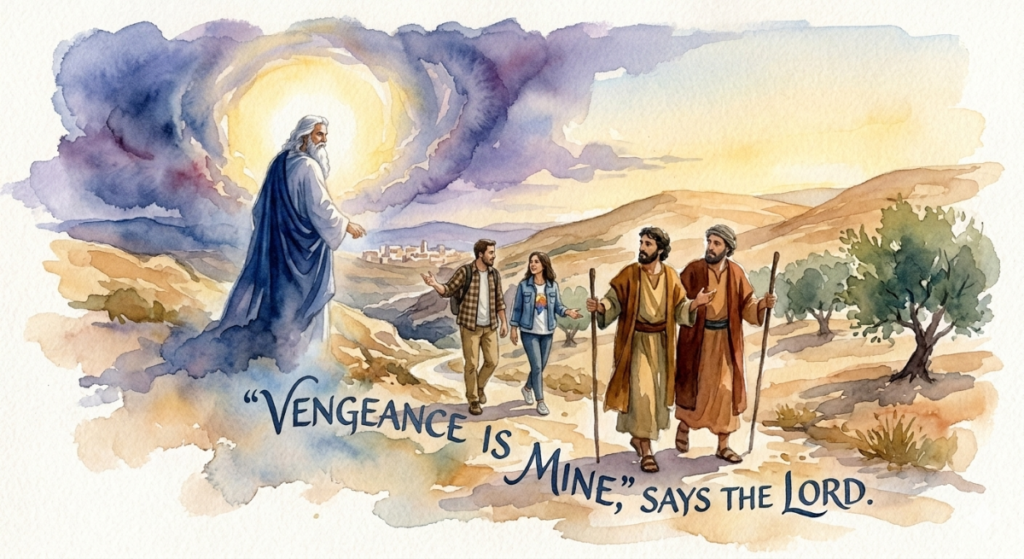
Many claim the Bible justifies vengeance. This piece traces the full context of key passages to show why Scripture consistently teaches that vengeance belongs to God, not us.
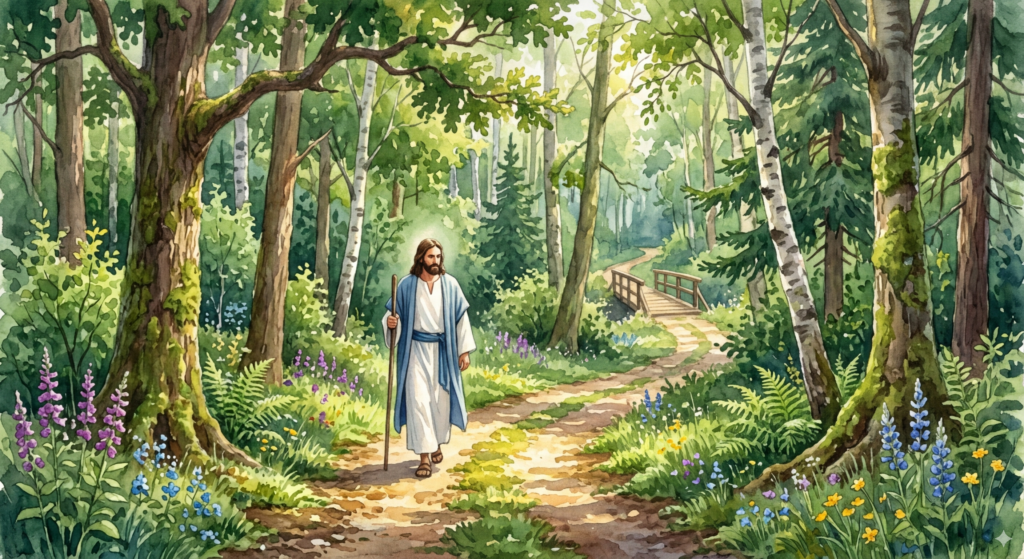
Many of us feel like we’re walking through life alone. Jesus’ words, “This then is how you should pray,” wasn’t a formula — they were an invitation to walk with God instead of by ourselves. This article explores what that means in real life.
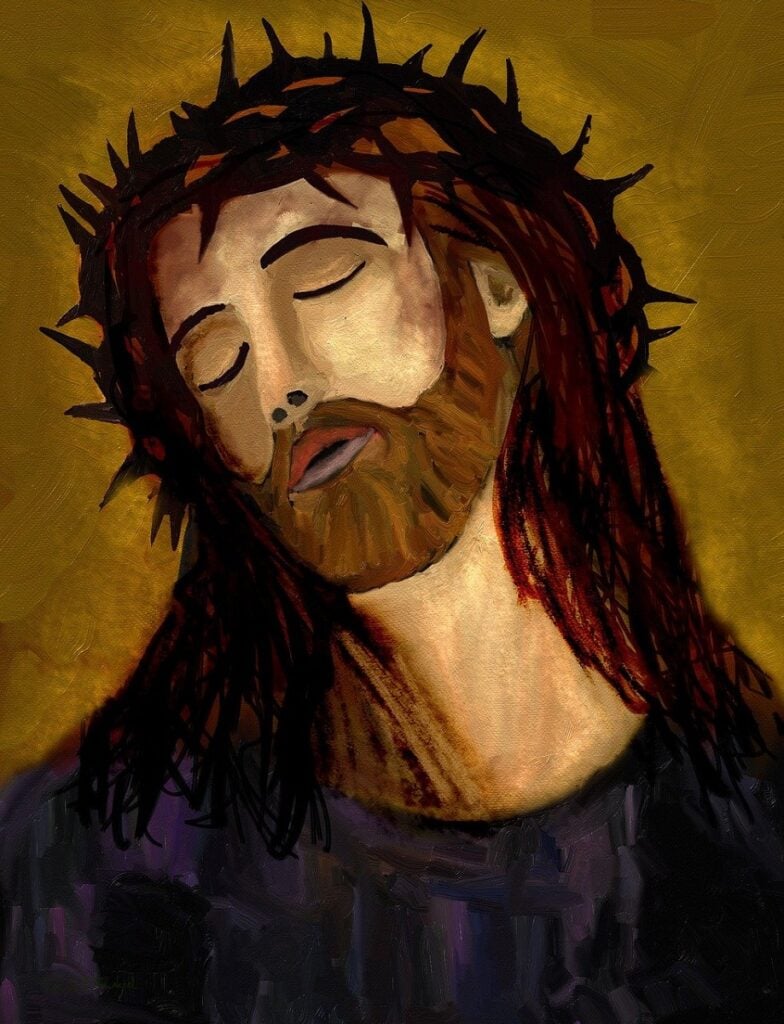
Psalm 2 shows how easily we complicate our relationship with God. The psalm exposes our instinct to resist Him, even when the choice is simple: trust the Son or turn away. This reflection explores why we make faith harder than it needs to be—and what it means to take refuge in Him.