
What They Knew Then ๐Ÿ“œ

Items in this category explain things that were likely common knowledge back in Biblical times, but which we know little to nothing of today.
Little things can make the difference between a completely wrong picture of what’s in The Bible and a deeper understand of The One who inspired those words.

A surreal image of "spirit with a body" of a woman "walking on air" down the path in a graveyard, towards a building appearing through deep clouds, with bright light shining from inside it.

Did God really say, “You will surely die” (ืชึธึผืžื•ึผืช ืžื•ึนืช)?
What They Understood in the Beginning: Two Deaths

Behind Modern Biblical Translations - What They Knew Then ๐ŸŒŽโ†”๏ธ๐Ÿ“œ, What They Knew Then ๐Ÿ“œ

Genesis 2:17 is usually translated โ€œyou will surely die,โ€ but the Hebrew ืชึธึผืžื•ึผืช ืžื•ึนืช tells a deeper story. This post looks behind modern translations to explore what the original audience understood โ€” two kinds of death, spoken in a way only God can speak. A contextual walk-through of Hebrew nuance, ancient worldview, and the unfolding of spiritual and physical death from the very beginning.

Watercolor painting of a worn, vintage Hebrew Tanakh resting on an aged wooden table, illuminated by a glowing oil lamp alongside reading glasses and a fountain pen.

TANAKH ืชื ืดืš – The Jewish Scriptures Behind Our Christian Faith
Rediscovering the Jewish Roots of Our Christian Faith

Behind Modern Biblical Translations - What They Knew Then ๐ŸŒŽโ†”๏ธ๐Ÿ“œ, What They Knew Then ๐Ÿ“œ

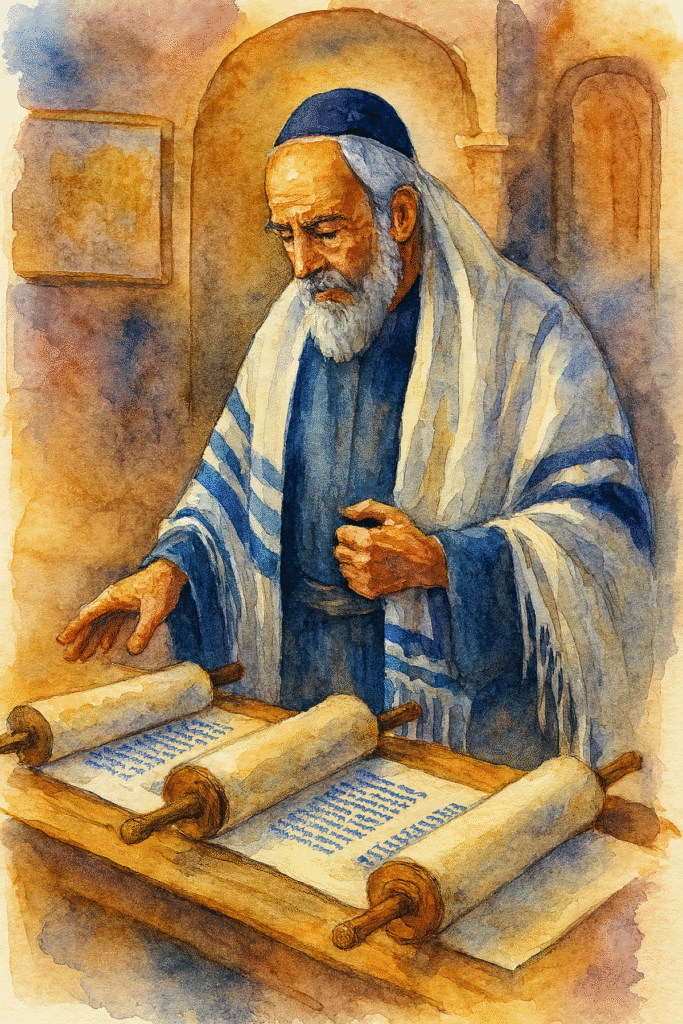
To understand Christian Scripture, we must remember its Jewish roots. Jesus lived and taught as a Jew, and the Old Testament is Jewish Scriptureโ€”Tanakh. This piece explores why that context matters, how Jewish translation traditions developed, and how thoughtful use of modern knowledge can deepen faith.

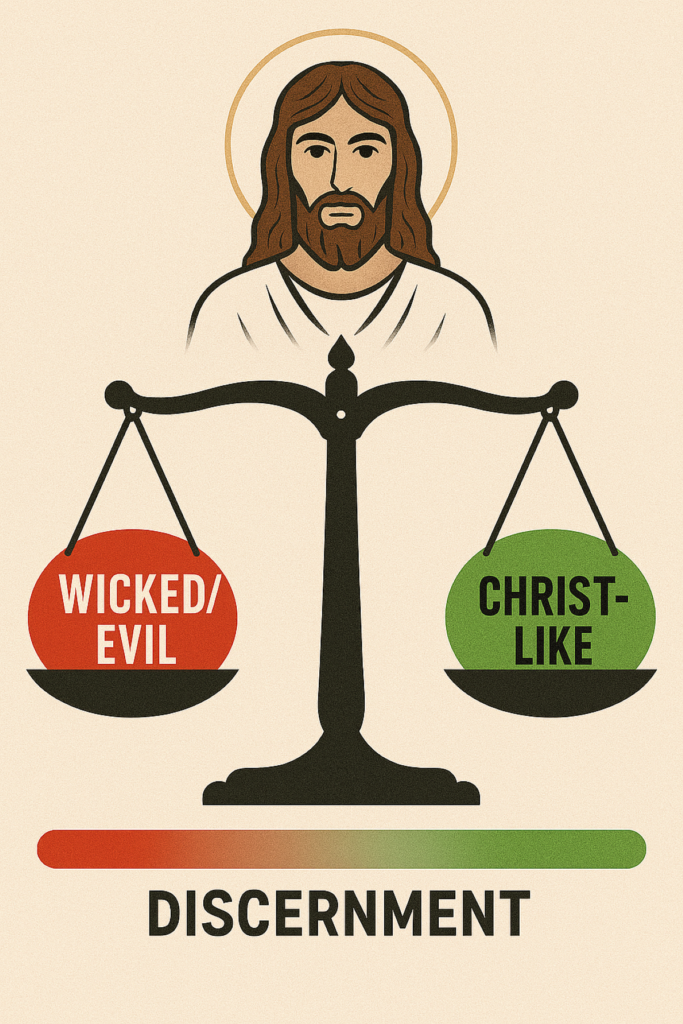
Tolerate: from wicked to evil to discernment
discerning how to not tolerate evil

Behind Modern Biblical Translations - What They Knew Then ๐ŸŒŽโ†”๏ธ๐Ÿ“œ, What They Knew Then ๐Ÿ“œ

At first glance, it looks like a discrepancy โ€” avoid sinners vs. sit with sinners. But the tension isnโ€™t in Jesusโ€™ actions; itโ€™s in our understanding of the words. This breakout turns to Micah 6:16, where the Hebrew verb nฤล›ฤสพ (โ€œto lift, carry, bearโ€) appears.

Scroll to Top