Do your beliefs about God match what He says about Himself?
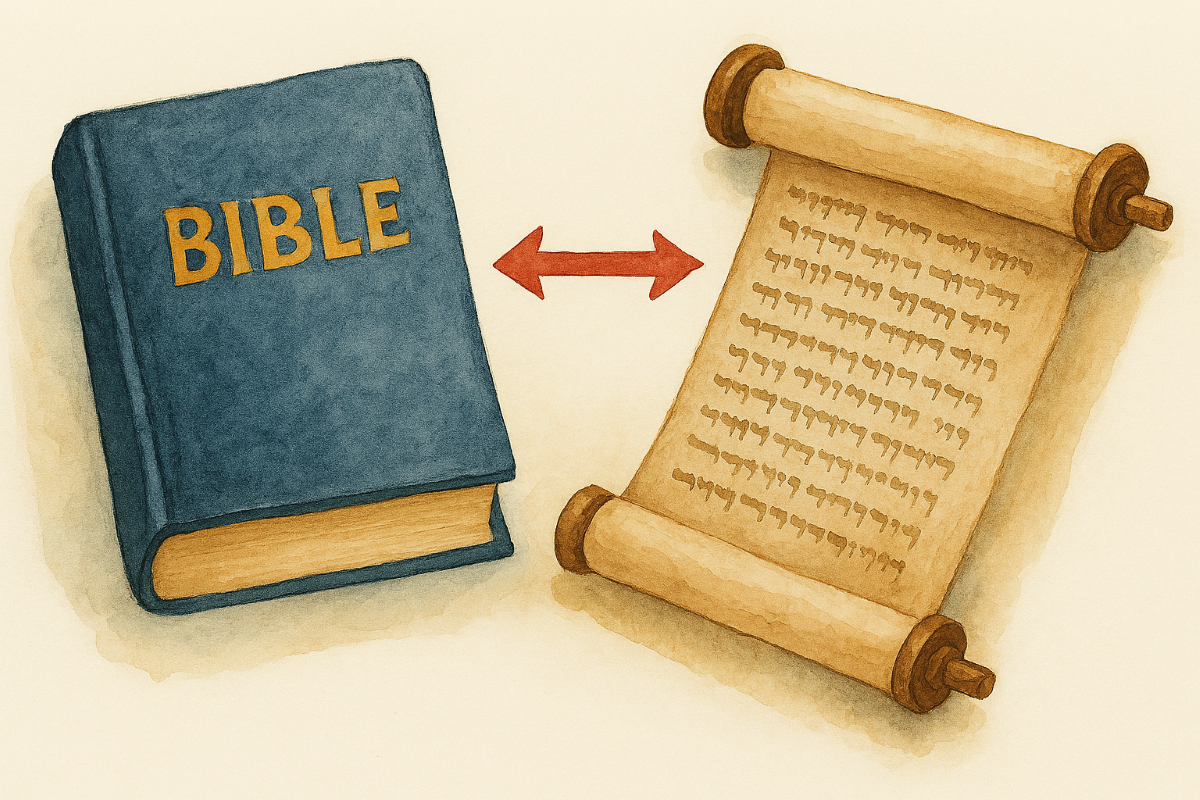
Behind Modern Biblical Translations – What They Knew Then 🌎↔️📜
This category explores the deeper context behind modern Biblical translations, uncovering the ancient knowledge, cultural frameworks, and everyday realities that shaped how Scripture was first understood. Each entry moves beyond surface summaries to highlight the “bits and pieces” that translators wrestled with — idioms, customs, and assumptions that were common knowledge in biblical times but often obscure today.
Planned content will include:
Detailed studies of translation choices and the historical background behind them.
Comparisons between ancient understanding and modern interpretation, showing where nuance can be lost or reshaped.
Contextual insights into everyday practices, language, and worldview that illuminate why certain passages read the way they do.
Reader-friendly summaries in main posts, with extended notes here for those who want to dig deeper.
Behind Modern Biblical Translations.
The goal is to give readers both a clear overview and a pathway into the “behind the text” details — helping them see not just what the Bible says, but why it was heard the way it was in its original world.
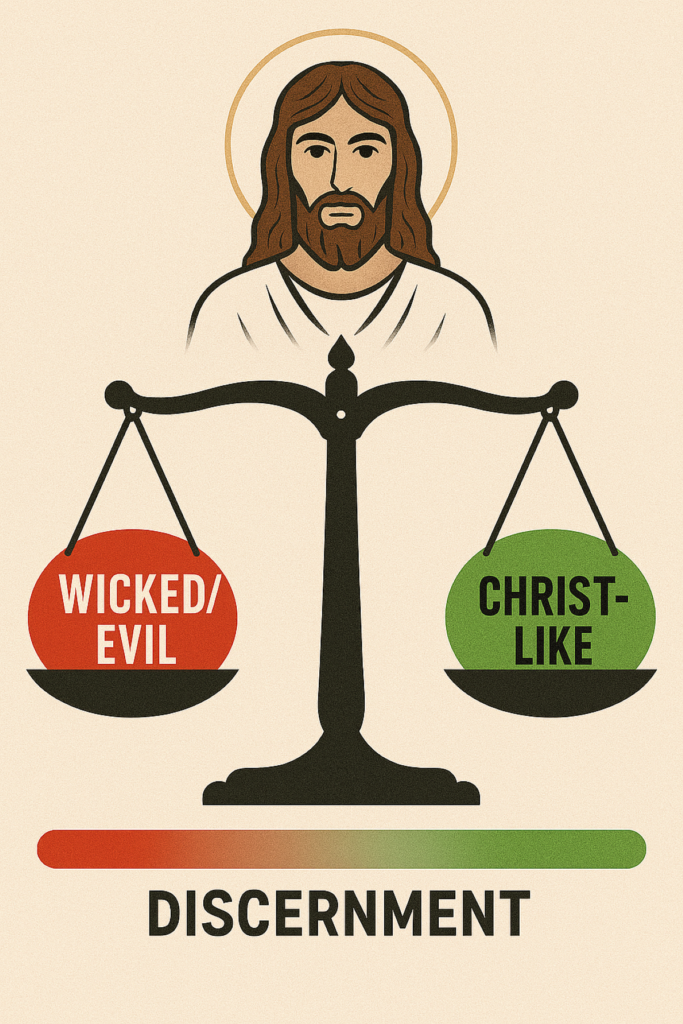
At first glance, it looks like a discrepancy — avoid sinners vs. sit with sinners. But the tension isn’t in Jesus’ actions; it’s in our understanding of the words. This breakout turns to Micah 6:16, where the Hebrew verb nāśāʾ (“to lift, carry, bear”) appears.
Yes, something’s drastically wrong with our thinking of the word tolerate today. And the error is compounded when it’s negated and turned into cannot tolerate.